

Mobile crop-disease diagnosis
+1.3%ACCURACY 0.8909 › 0.90209
Use field photos to identify likely crop disease and route growers toward the right treatment, agronomist, or containment action.
Real optimization runs across agents, prompts, ML pipelines, and configs. Each one fully autonomous.
Use field photos to identify likely crop disease and route growers toward the right treatment, agronomist, or containment action.
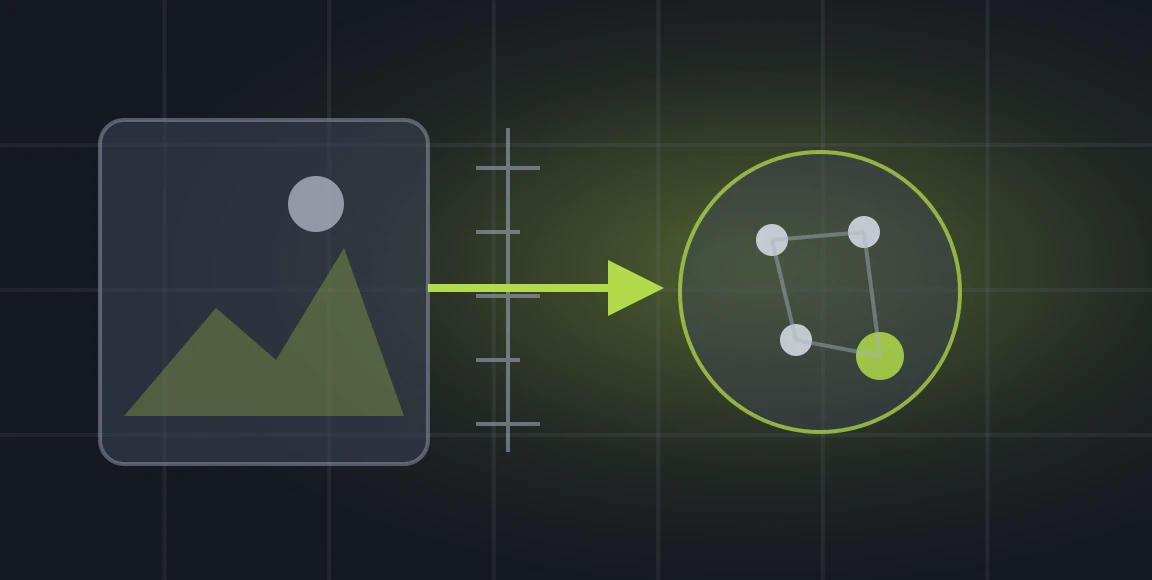
Combine visual evidence with measurements to classify parts, materials, crops, or defects when the labeled dataset is too small for image-only deep learning.
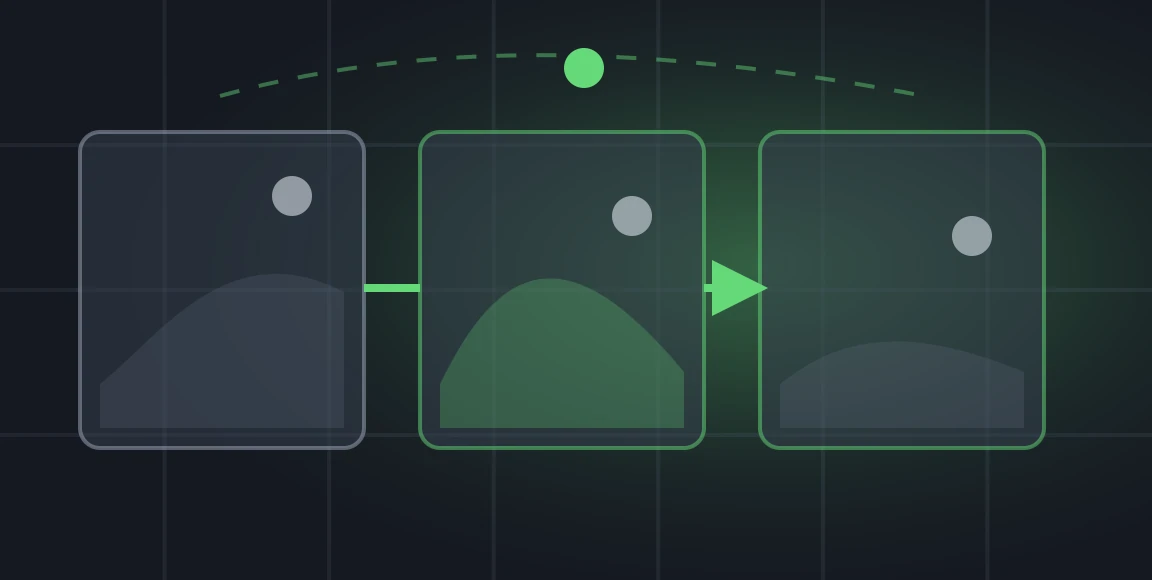
Train on established sites and retain accuracy at new branches, geographies, suppliers, or camera installations where backgrounds and class frequencies shift.
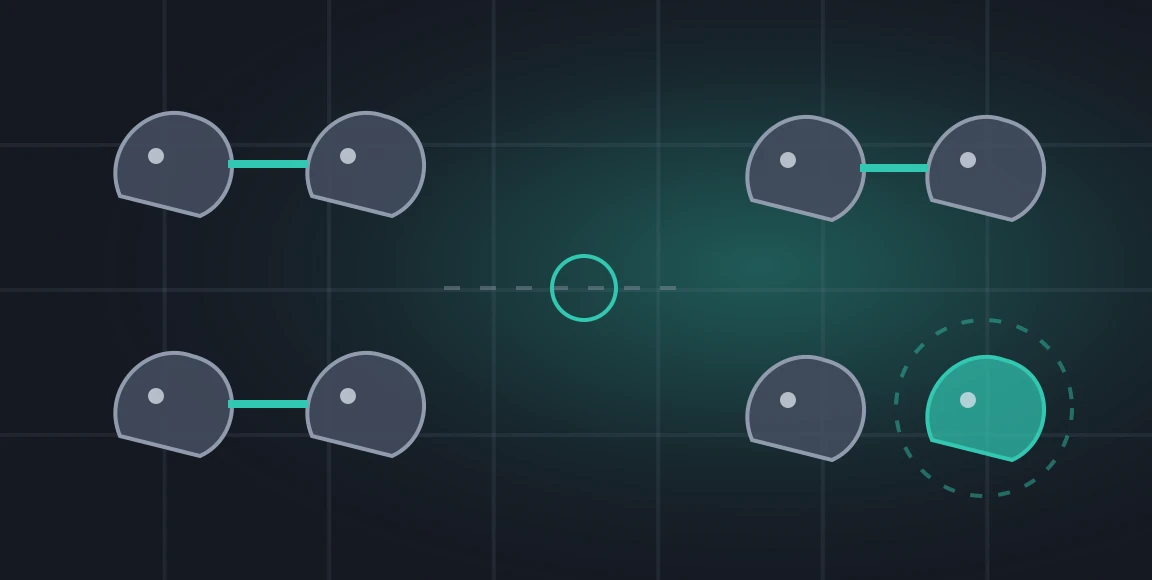
Match people, animals, assets, products, or components to known identities from distinctive markings while explicitly handling previously unseen identities.
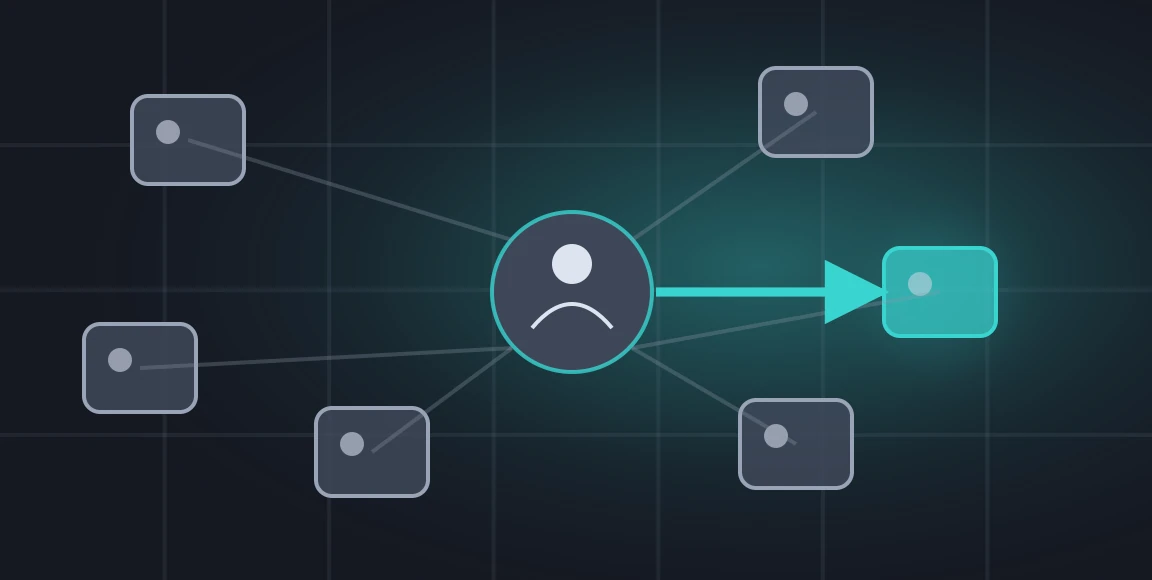
Recommend the most relevant products, offers, content, or replenishment items from behavioral history and catalog context.
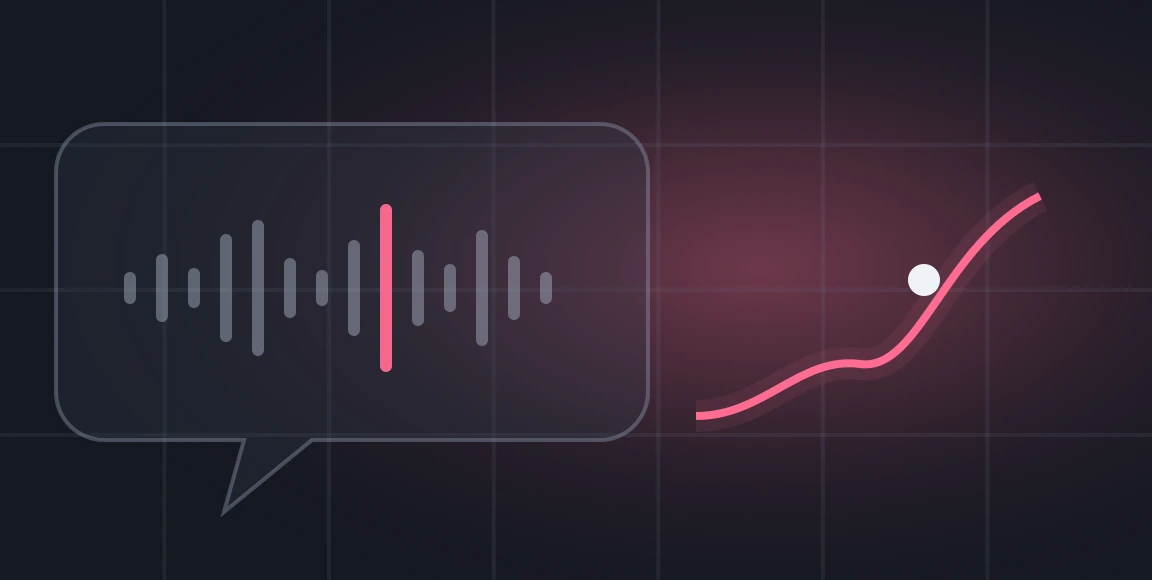
Highlight the phrase behind praise, frustration, churn risk, or a complaint so teams see not only the score but the actionable reason.
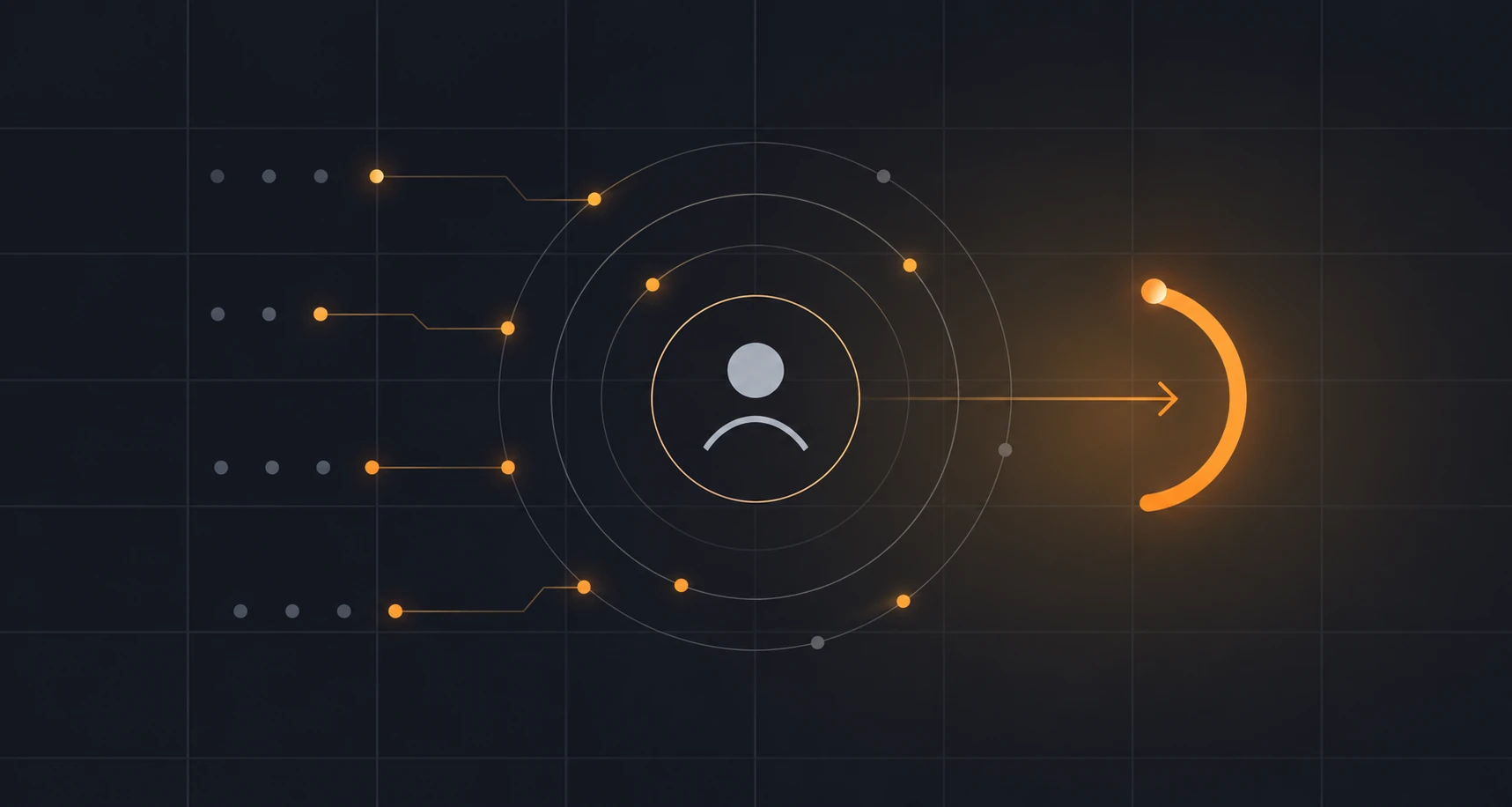
Estimate whether an application, appeal, campaign, lead, donation request, or support message will receive a positive response using both language and metadata.
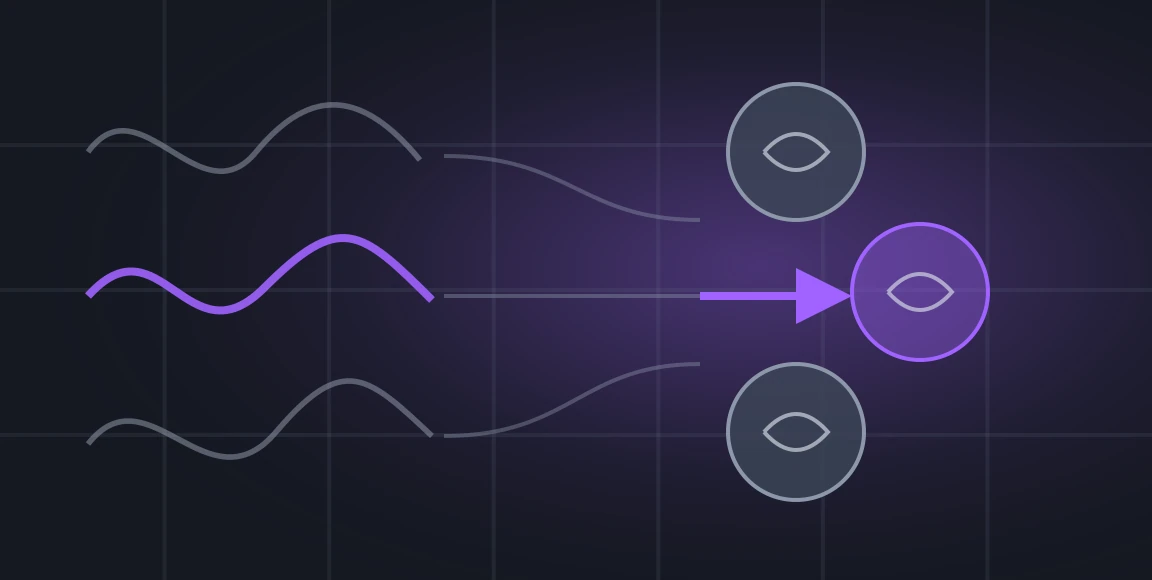
Attribute documents or messages to likely sources, teams, content types, or style profiles for forensics, routing, brand consistency, and provenance analysis.

Generate multiple structured attributes for products, creative assets, real estate, archives, or inspection photos to improve discovery and analytics.
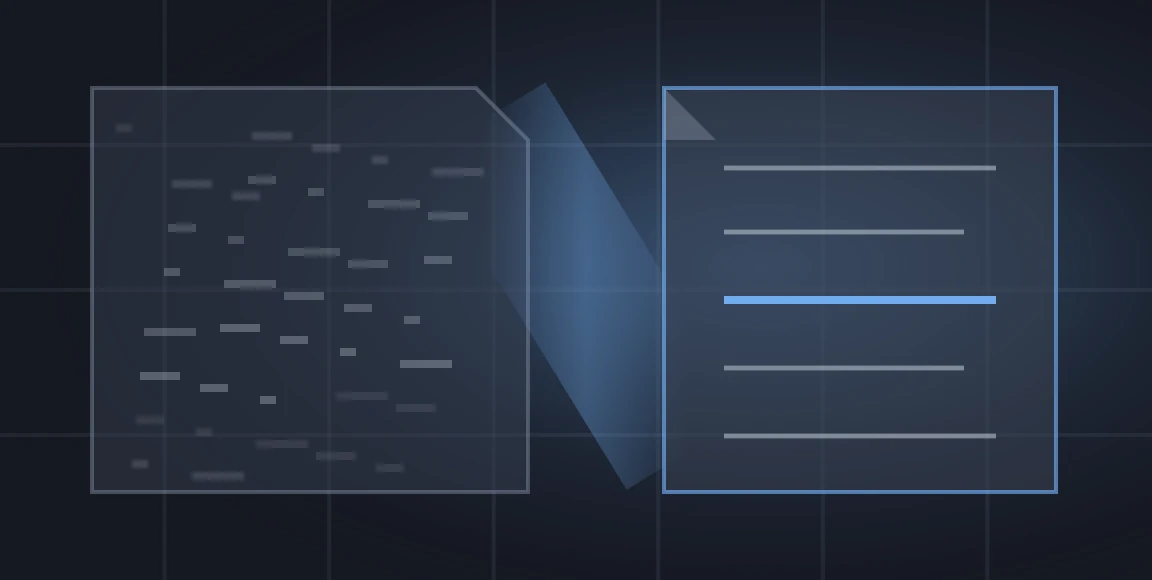
Transcribe difficult scanned records into searchable text for legal discovery, court and land-registry archives, document migration, and compliance workflows.
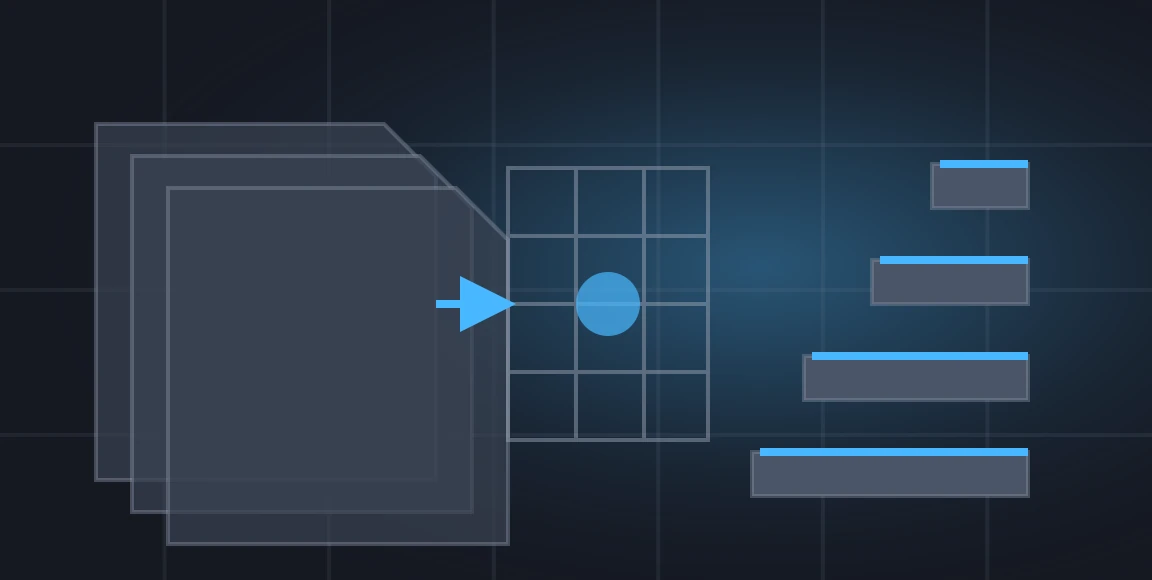
Score essays, grant narratives, applications, audits, or quality reviews against a rubric to prioritize human attention and provide faster feedback.

Triage screening images by disease severity so clinicians can focus first on patients most likely to need urgent follow-up while preserving human review.
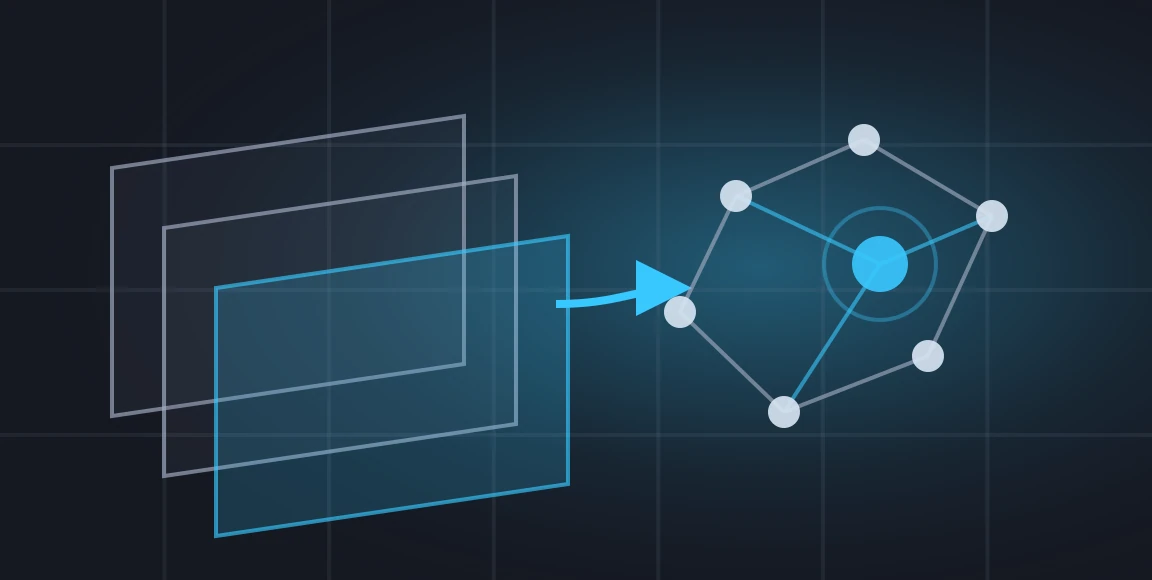
Infer an expensive, invasive, or slow-to-measure property from multiple imaging channels, enabling earlier triage and more targeted confirmatory testing.
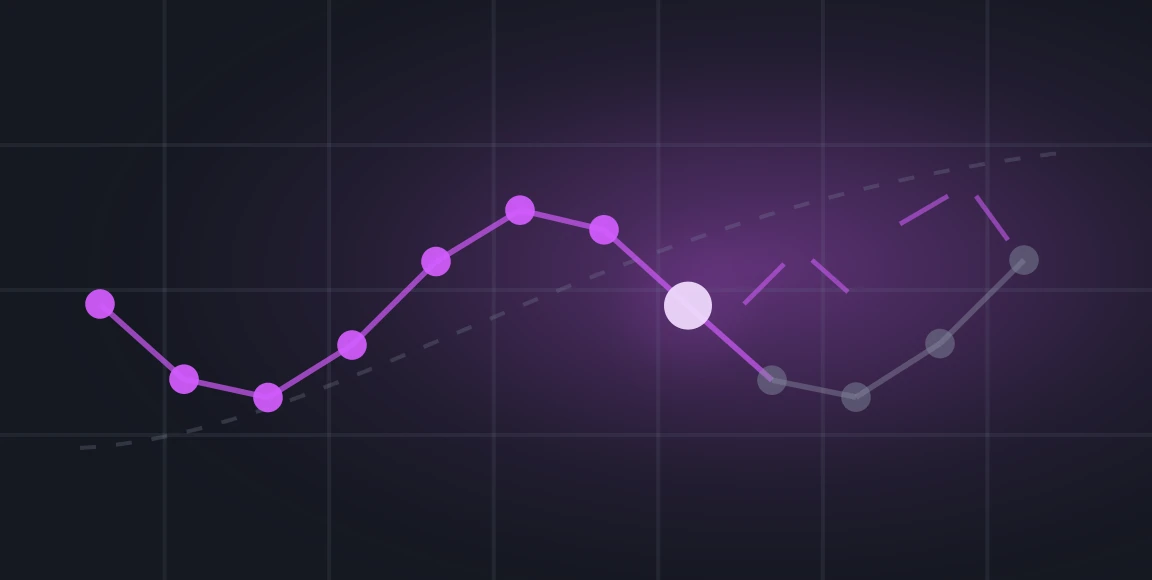
Predict how a biological or material sequence behaves at every position and under multiple conditions, helping researchers screen designs before costly experiments.
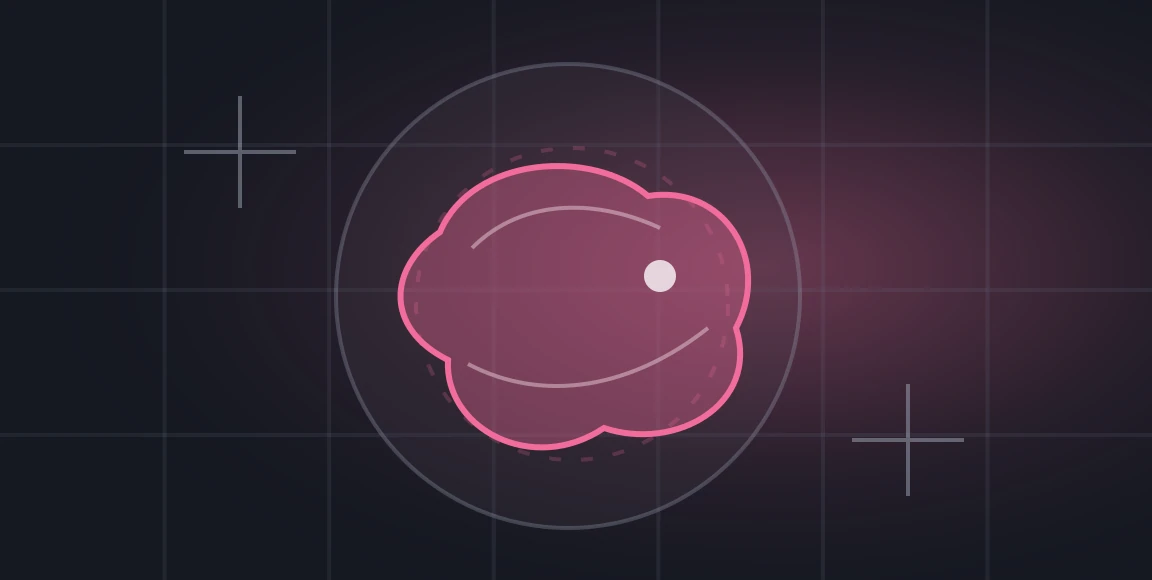
Prioritize rare, high-risk cases from images and contextual metadata while explicitly optimizing sensitivity under severe class imbalance.
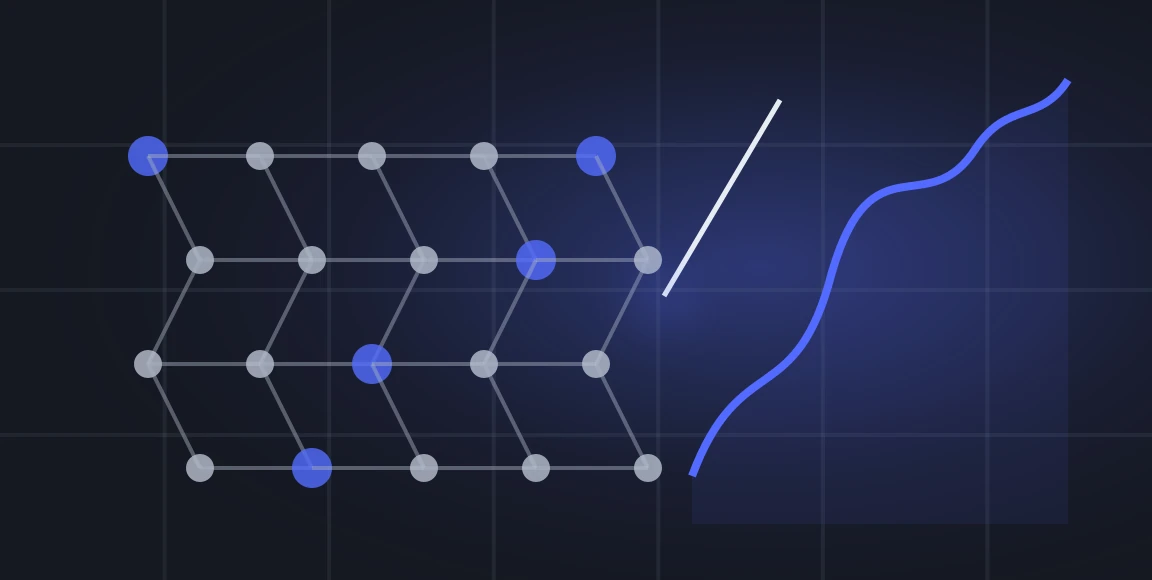
Screen candidate materials or formulations virtually, reducing the number of simulations and physical experiments needed to find promising designs.
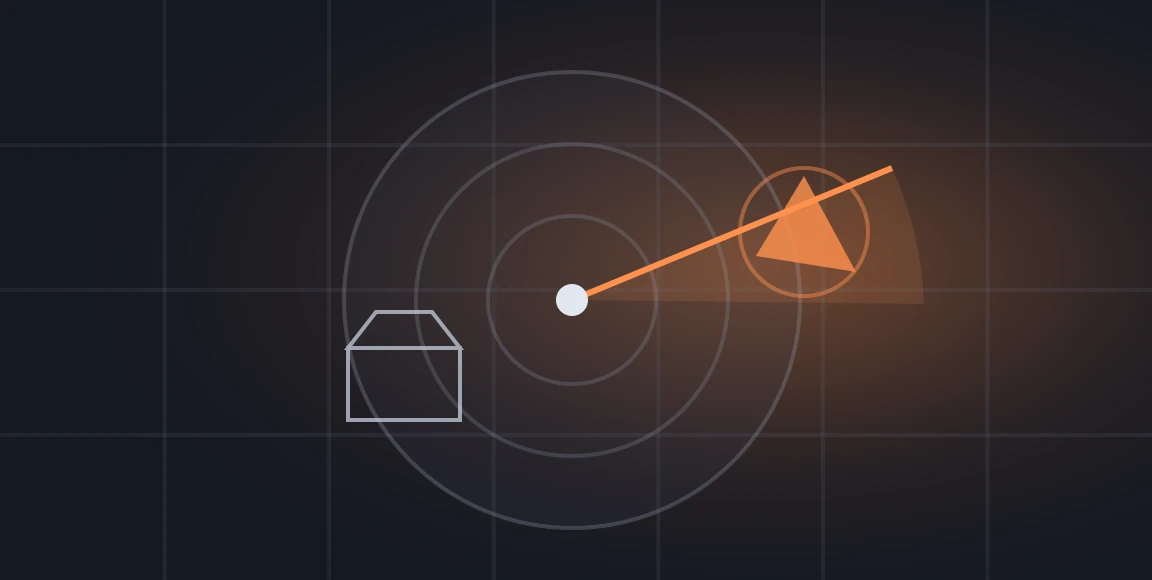
Classify ambiguous targets in radar, sonar, thermal, or satellite imagery to protect offshore operations, shipping, borders, and remote infrastructure.

Build a perception layer for vehicles, robots, yards, mines, or warehouses that locates people, equipment, and obstacles in three dimensions so automated systems can act safely.
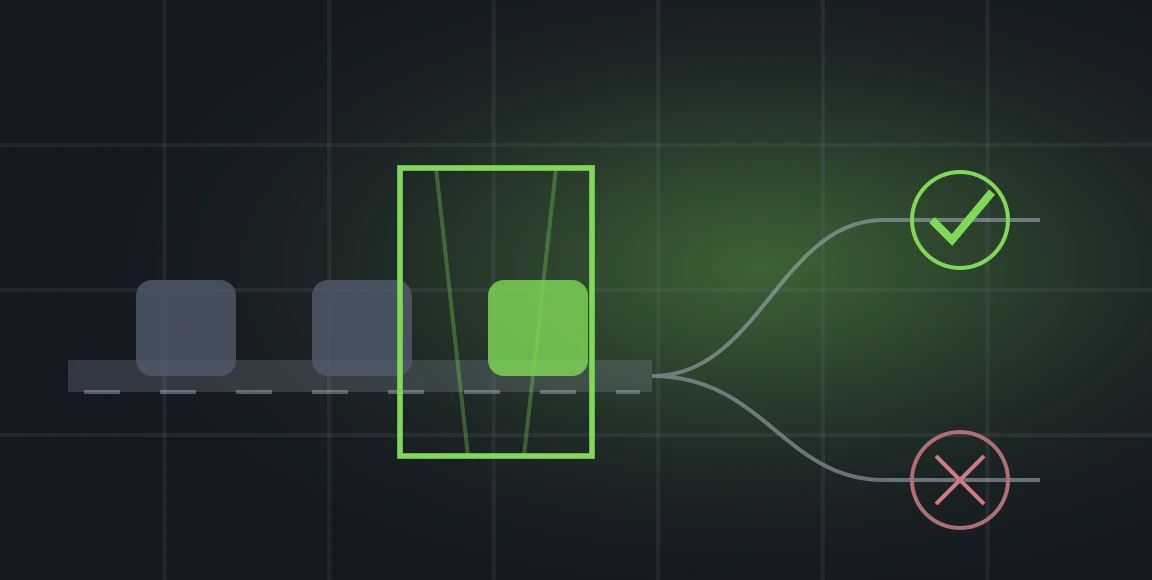
Classify an image into pass/fail, target/non-target, damaged/undamaged, or eligible/ineligible to automate a high-volume first decision.
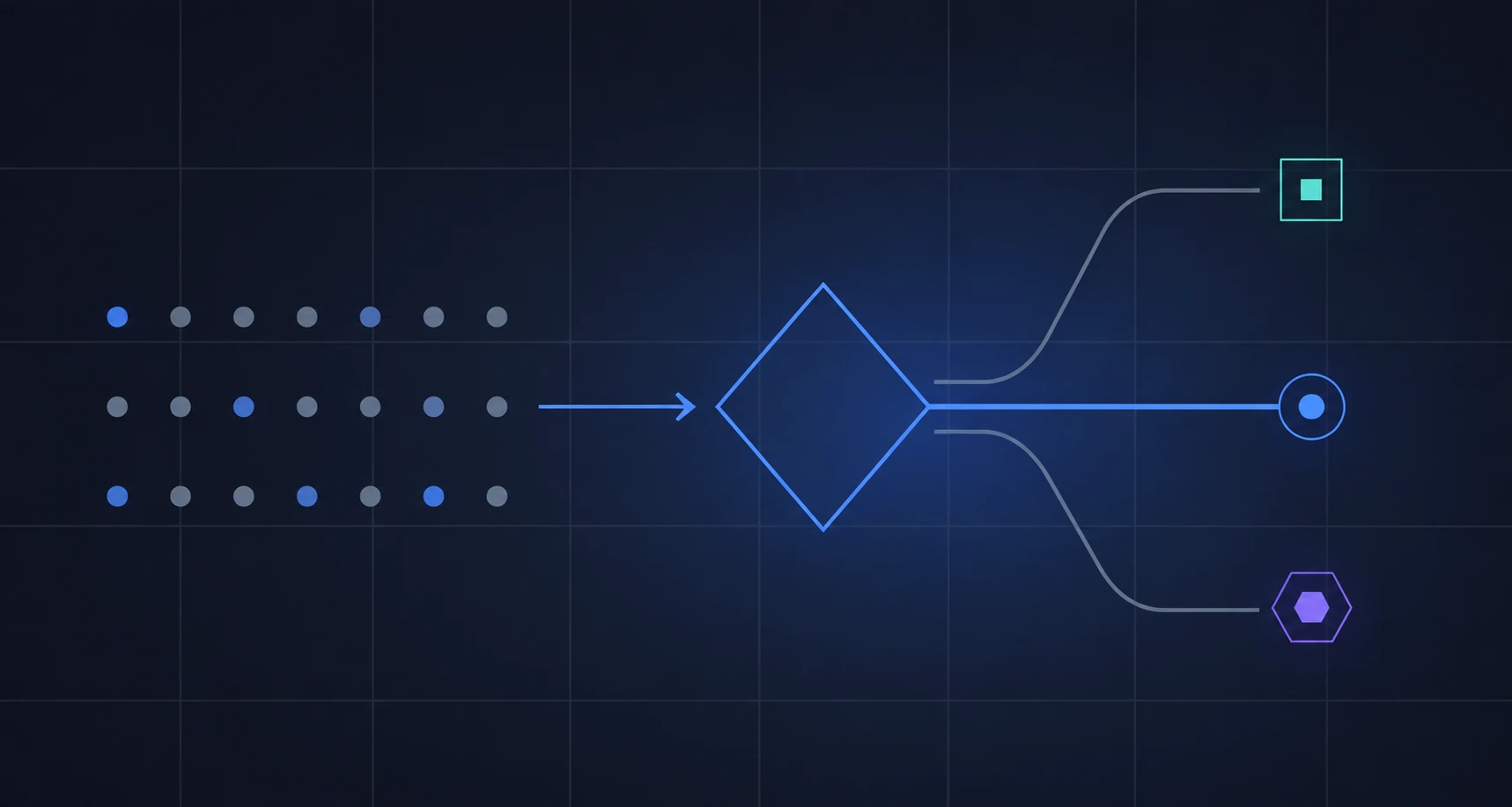
Assign each transaction, account, case, or asset to the right category from structured features for workflow routing and downstream decisions.
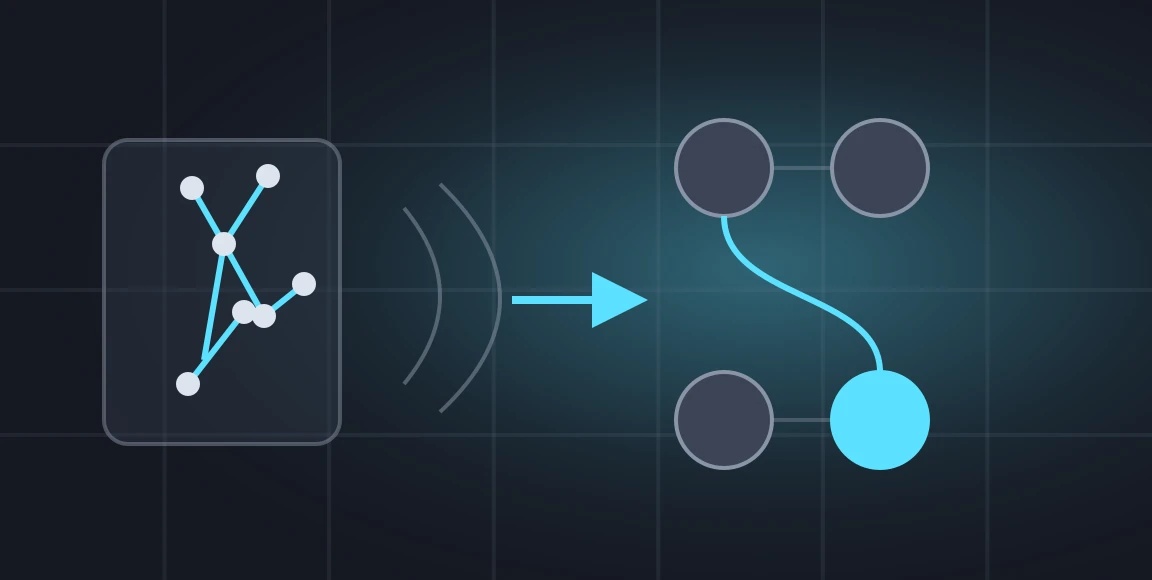
Identify assembly steps, safety gestures, customer interactions, or operator actions by combining video, depth, and audio over time.
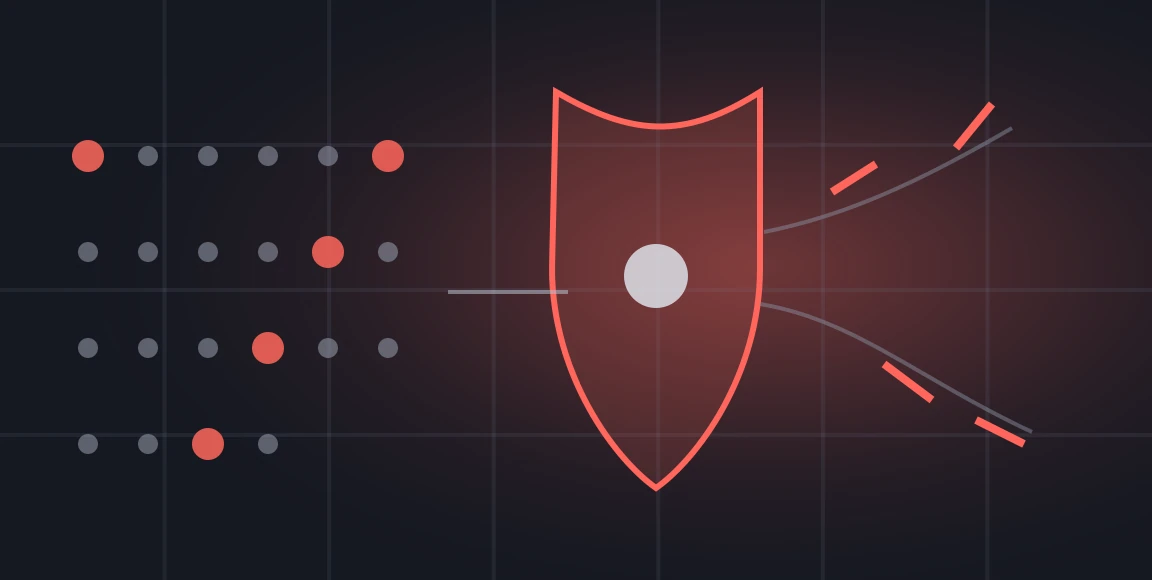
Score comments, chats, reviews, and community posts for likely abuse so platforms can warn users, prioritize moderation, or apply policy controls.

Detect multiple policy violations in comments, reviews, chats, or cases so different behaviors can trigger different workflows rather than one blunt toxic/not-toxic rule.
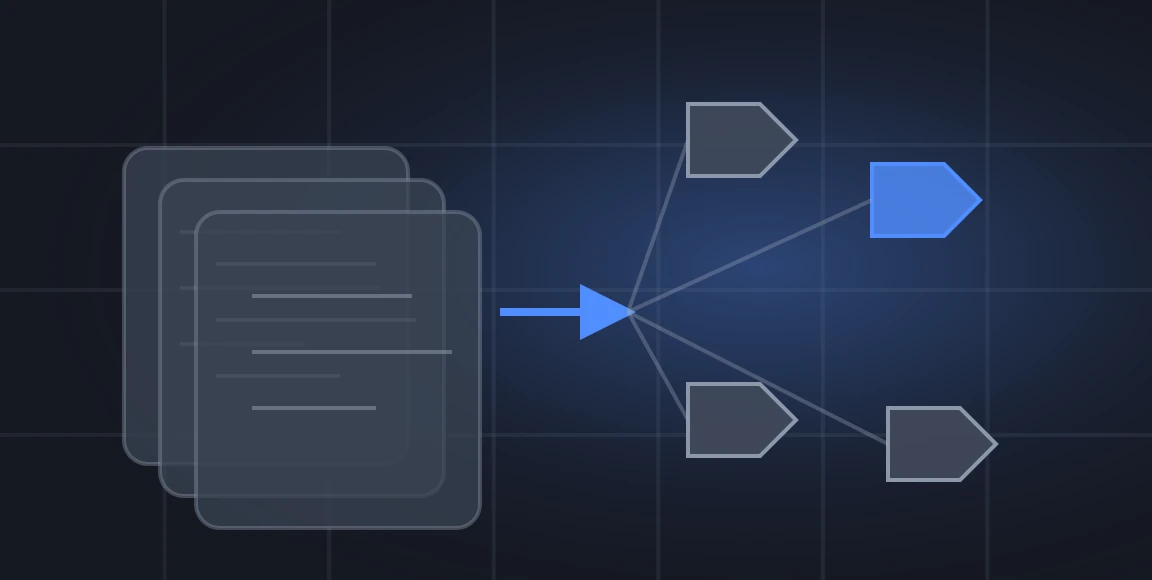
Assign multiple topics to support tickets, knowledge articles, legal documents, or incident reports for routing, search, analytics, and ownership.
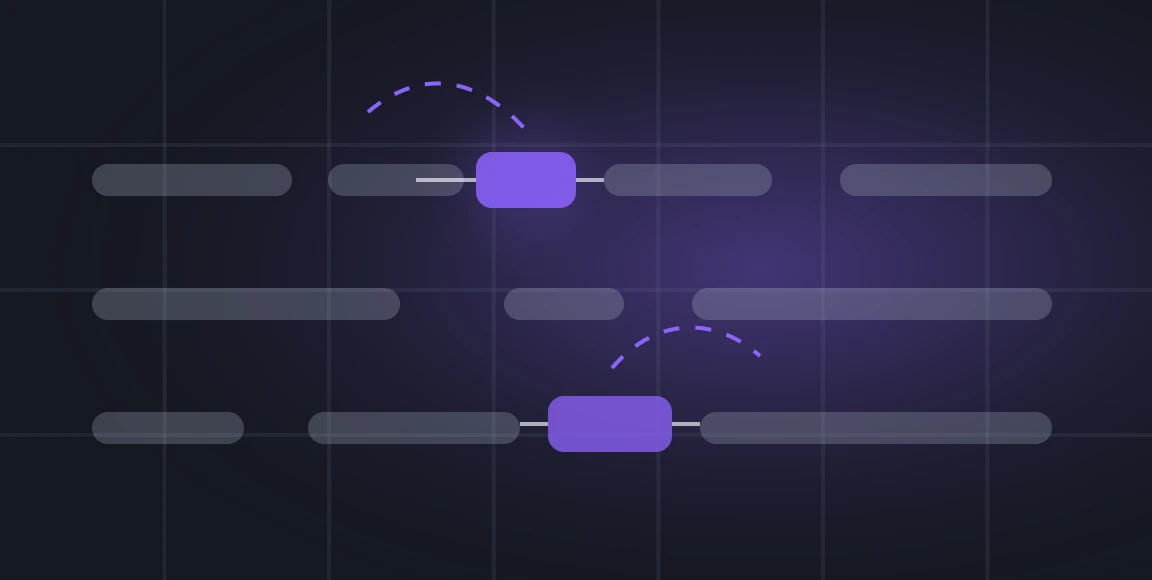
Repair truncated messages, OCR gaps, transcription omissions, or incomplete product and case descriptions using surrounding context.
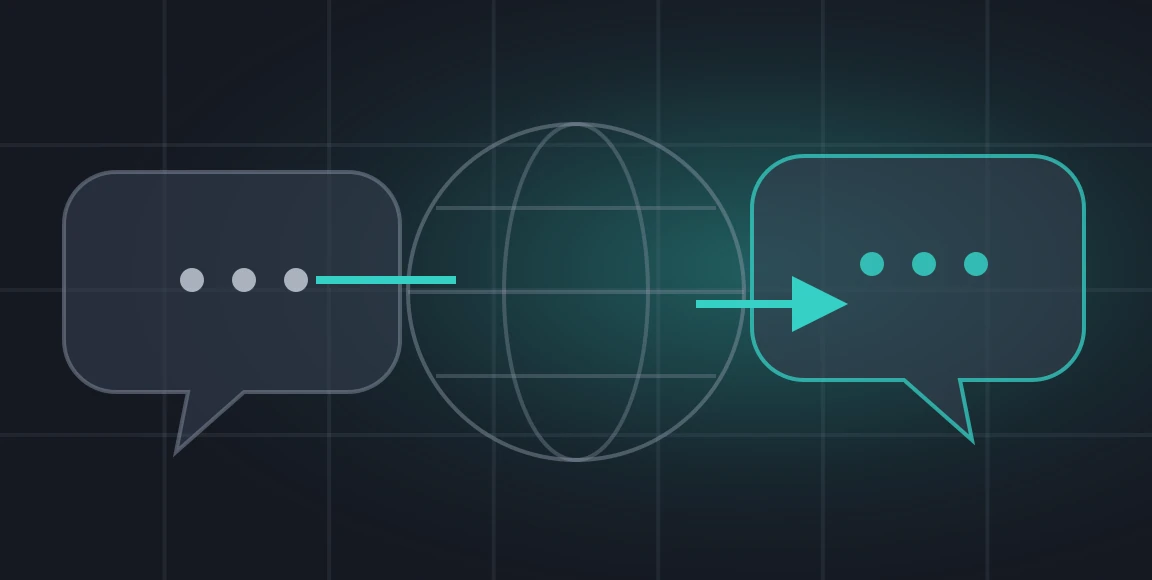
Answer questions from policies, help centers, product documentation, or case files in lower-resource languages without forcing users into English-only workflows.
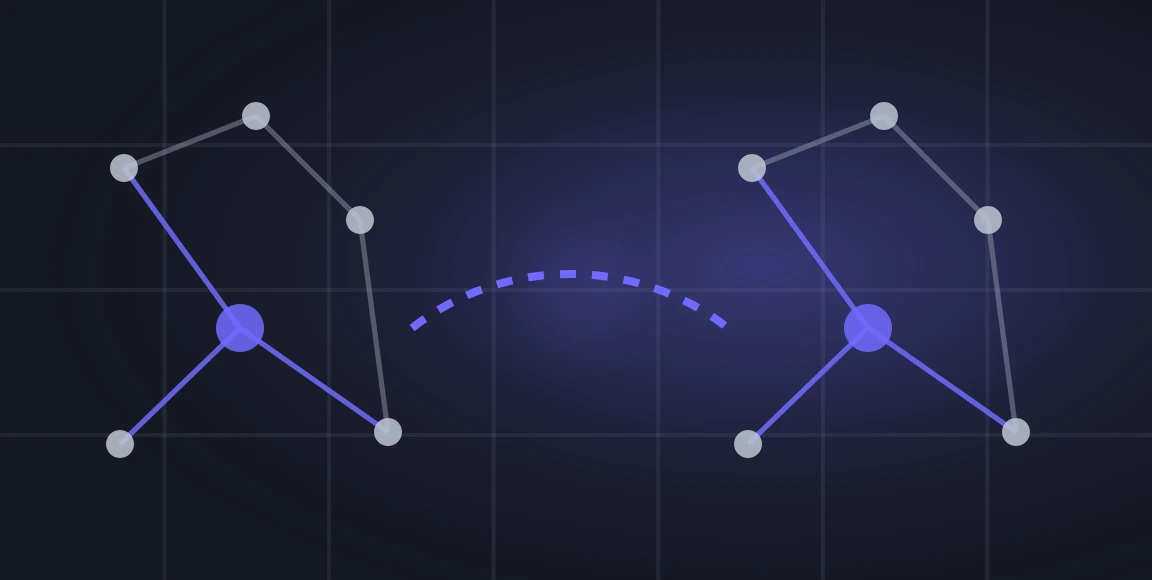
Find equivalent or related technical concepts across patents, requirements, contracts, product catalogs, and knowledge bases despite different wording.